Looking for the perfect solution for tight spaces on your construction site? Our mini digger offers exceptional maneuverability and power. Ideal for excavation, landscaping, and more, this compact machinery is a must-have. Rent or purchase from us today to enhance your project’s efficiency and productivity with our reliable plant solutions.
When it comes to construction and landscaping projects, the right equipment can make all the difference in terms of efficiency and overall outcome. Among the essential pieces of plant machinery, mini diggers hold a prominent place. Their compact size makes them ideal for both tight spaces and larger sites, providing versatility that can cater to a wide range of tasks. As a contractor, landscaper, or DIY enthusiast, understanding the various options available when selecting a mini digger can empower you to make the best decision for your specific requirements.
This guide aims to walk you through the key considerations and features you should be aware of when looking for mini diggers, whether you are searching for new models or considering the option of used mini diggers for sale. By the end of this article, you will be well-equipped to choose a mini digger that fits your project needs while maximising safety and efficiency.
Understanding the Different Types of Mini Diggers
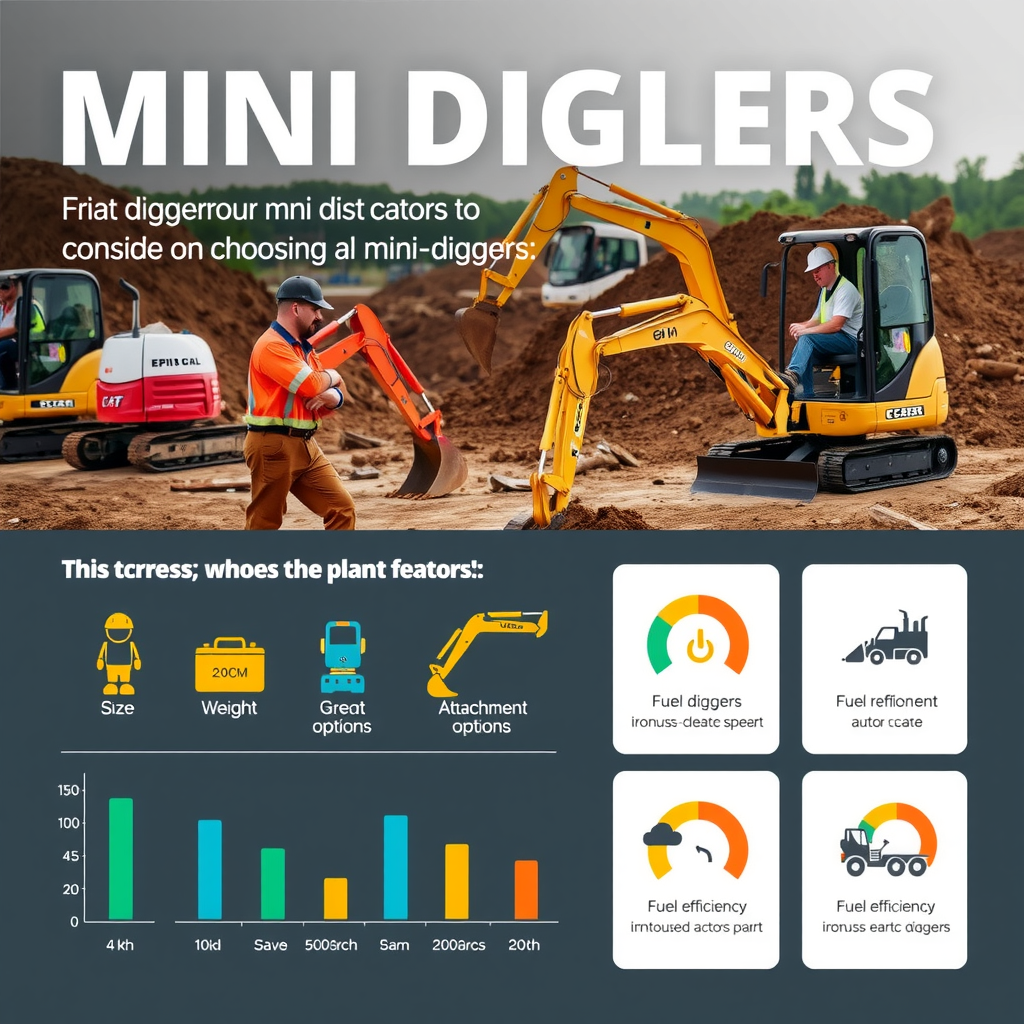
Before diving into the specifics of choosing a mini digger, it’s essential to comprehend the different variations available on the market. Mini diggers typically range from 0.8 to 8 tonnes in weight. Smaller models are perfect for residential garden work, while larger models can handle heavy-duty site tasks. Identifying the scope of your project will help narrow your choice down to the right size and type.
Another factor to consider is the type of controls. There are two primary control systems: digger controls and dozer controls. Digger controls allow for greater manoeuvrability and are generally used for excavation work, while dozer controls can be more intuitive for beginners or operators less familiar with heavy machinery.
Assessing the Specifications
When evaluating mini diggers, it’s crucial to look at key specifications that can impact performance and suitability for your tasks. One of the primary specifications to consider is the digging depth. Mini diggers typically offer a digging depth ranging from 1.5 to 3.5 metres, with the most common projects requiring a depth of around 2-2.5 metres.
Another important specification is the width of the machine. The narrower the mini digger, the easier it is to access tight spaces, such as back gardens, congested sites, or previously excavated areas. Compact models often start at around 70 cm in width. If you need to navigate through narrow paths or doorways, this dimension becomes critical.
Power is another significant consideration, as it can affect how quickly and efficiently tasks are completed. Look for the engine’s horsepower and torque ratings, as these will give you an indication of the digger’s capability in demanding conditions. You’ll also want to pay attention to fuel efficiency, especially if you plan to use the mini digger for extended periods.
Choosing Between New and Used Mini Diggers
When deciding whether to invest in a new or used mini digger, a number of factors should inform your choice. New mini diggers can come equipped with the latest technology, enhanced safety features, and warranties, which can be particularly beneficial if you’re using the machine on a regular basis. However, they often come at a higher initial cost.
On the other hand, the market for used mini diggers is robust, offering a plethora of options at reduced prices. However, when considering used models, thorough inspections are imperative. Check for any signs of wear and tear, engine condition, and hydraulic performance. Additionally, ensure that relevant maintenance records are available, as this will help verify that the previous owner took good care of the machine.
Furthermore, it’s essential to consider the resale value when purchasing. New vehicles typically depreciate quickly, so understanding how models perform in terms of resale can influence your decision.
Attachments and Accessories
An often-overlooked aspect of mini diggers is the variety of attachments that can enhance their functionality. Common attachments include buckets of varying sizes for excavation, breakers for demolishing structures, and augers for drilling holes. When choosing a mini digger, evaluate which attachments will you need for your intended projects. Not all mini diggers are compatible with all attachments, so consider versatility in the equipment you select.
Additionally, when purchasing or renting, see whether the dealer offers a selection of compatible attachments. This can save time and effort when it comes to adapting the machine for different tasks throughout your project timeline.
Operational and Safety Features
Safety should be paramount when selecting a mini digger. Many modern models come equipped with various safety features that can substantially reduce the risk of accidents. Consider options such as stability systems, rollover protection, and cameras for enhanced visibility. Moreover, check for easy access to controls and emergency shut-off functions, as these can significantly increase operational safety.
Operators should also be trained in the safe use of machinery, understanding its limitations and how to react in case of an emergency. Adhering to safety guidelines and operating protocols will help ensure both personal safety and the protection of others on site.
By deliberating over these various aspects when choosing a mini digger, you can ensure that you select the right model that meets your project needs efficiently and safely. With the proper information and insight, making this critical decision can be straightforward and aligned with your operational goals.