Two decades ago, construction sites were dominated by larger, more cumbersome machines. Today, the market for compact earthmoving equipment has evolved rapidly, giving site managers a choice between two prolific options: mini diggers and micro excavators. While the names suggest close similarity, the practical differences can influence project timelines, safety, and the bottom line. This article aims to clarify what distinguishes mini diggers from micro excavators, why those distinctions matter, and how to make informed decisions when sourcing equipment such as mini diggers for sale or used mini diggers.
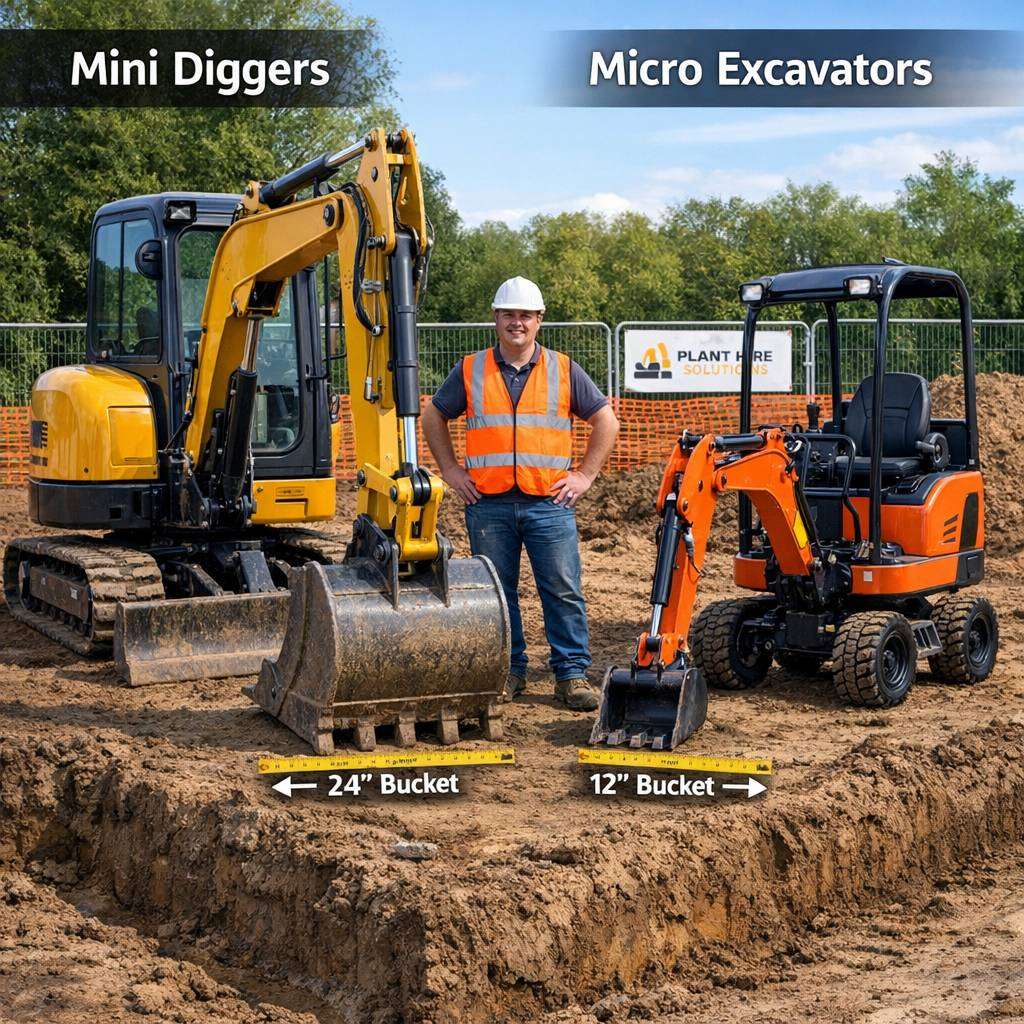
On many sites, the distinction comes down to size, reach, and capacity. Mini diggers typically refer to compact excavators in the 1.5 to 6.0-ton range, designed for tasks that require a balance of digging power and manoeuvrability. Micro excavators, on the other hand, are at the lower end of the spectrum—often under 2 tonnes—with enhanced agility for extremely tight spaces. While the terminology can vary by manufacturer and region, the practical implications are clear: micro excavators excel where space is at a premium, and mini diggers offer more digging depth and breakout force for slightly larger tasks.
What sets mini diggers apart from micro excavators in the field is primarily their digging depth and breakout force. A typical mini digger can achieve greater digging depth and lifting capacity than a micro excavator, which translates into fewer passes for certain excavation tasks. However, the micro excavator’s compact footprint enables access to trenches, voids, and urban sites where a standard mini digger would struggle to manoeuvre. For professionals purchasing or renting equipment, this difference can determine whether a job is completed on time or suffers delays due to access limitations.
The control ergonomics and operator visibility are often highlighted in sales literature, and there is truth to these claims. Micro excavators are frequently marketed for their nimbleness and ease of operation in congested areas, narrower entrances, and indoor applications. Some models offer features specifically aimed at sensitive environments, such as reduced swing radiuses, zero-tail-swing configurations, and advanced machine control systems. If your work involves delicate pipes, electrical conduit, or existing structures, a micro excavator’s precision and compact turning radius can be a decisive advantage.
From a procurement perspective, planning around the project’s site constraints is essential. If access is constrained by fences, overhead obstructions, or limited turning space, micro excavators are a compelling choice. Conversely, for site work where trenching depth is critical, but the space is available, a mini digger may deliver more productive digging performance. For buyers exploring options like mini diggers for sale or used mini diggers, a clear specification of the job requirements helps narrow the field quickly.
Maintenance and lifecycle costs are also influenced by the size class. Generally, micro excavators will have lower ground pressure and may be easier to transport between sites, potentially reducing transportation costs. However, they can demand more frequent servicing if used intensively in urban environments or in applications where precision and control are crucial. Mini diggers, with their broader power band, may deliver longer service life on tougher excavation tasks and easier compatibility with a wider range of attachments such as hydraulic breakers, tiltrotators, and augers.
Attachment versatility is a significant consideration for both micro excavators and mini diggers. The ability to swap attachments quickly can translate into substantial productivity gains. For example, both classes commonly support augers, breakers, and grapple attachments, but the choice of attachment compatibility, hydraulic flow, and auxiliary line configuration should align with the specific model you’re considering. When evaluating used mini diggers or mini diggers for sale, verify the hydraulic system’s condition and the compatibility of common attachments with that machine’s hydraulic flow. A well-maintained attachment setup can extend the life of the equipment and increase task efficiency.
Another practical consideration is operator familiarity and training. Although both mini diggers and micro excavators are designed to be user-friendly, the subtleties of operating a micro excavator in confined spaces can require additional navigation skill and training, particularly when exact grade and trenching depth are critical. For fleet managers, investing in operator training for the chosen class of machine can reduce the risk of accidental damage to services and structures, and improve overall site safety.
Cost considerations also extend beyond the purchase price. When deciding between options such as mini diggers for sale or used mini diggers, you should account for depreciation, insurance, maintenance, transport, and fuel efficiency. Micro excavators may be cheaper to run on shorter, urban jobs, while mini diggers might offer better output for longer-running trenching projects. A thorough total cost of ownership analysis helps ensure your choice aligns with both current needs and future project requirements.
In practice, the decision between mini diggers and micro excavators is highly contextual. A tight urban site with limited access will often favour a micro excavator, while a suburban or rural site with multiple trenches and higher material movement might benefit from a mini digger’s greater digging depth and power. When sourcing equipment, consult with trusted suppliers about model-specific performance, maintenance schedules, and the availability of spare parts. Whether you’re purchasing new equipment or evaluating used mini diggers, reputable dealers can offer guidance on warranties, service plans, and resale value, helping you optimise project outcomes.
Ultimately, the right choice hinges on a careful assessment of site constraints, task requirements, and lifecycle costs. By understanding the practical differences between mini diggers and micro excavators, you can select a machine that delivers productivity, safety, and value across the project’s lifespan. For those looking to expand their fleet, engaging with a specialist supplier who can provide detailed specifications and flexible rental or purchase options is a prudent step in achieving operational efficiency.
Small, versatile mini diggers are ideal for tight sites, offering precision, reduced disruption, and cost efficiency. For more options and used machines, explore our selection. mini diggers