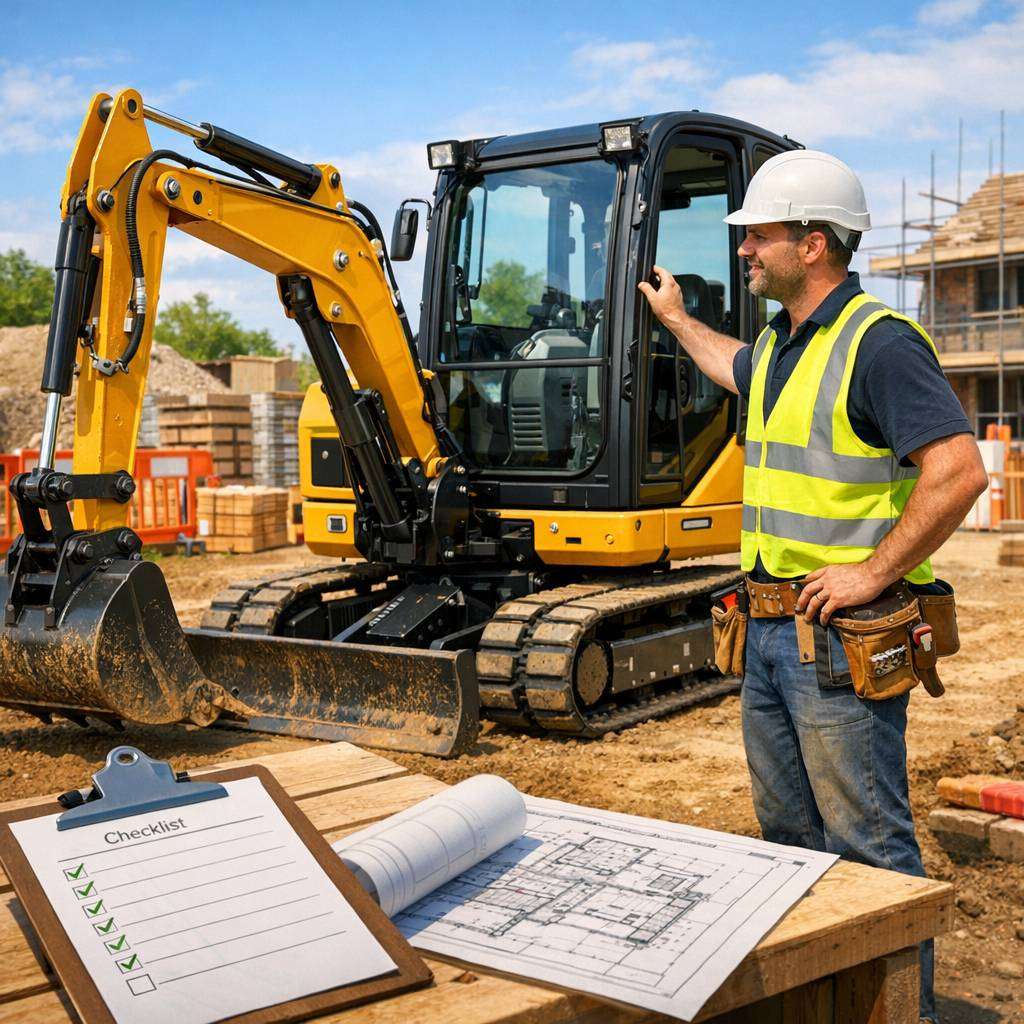
Mini digger performance meets tight site demands with our reliable compact units. Ideal for trenching, digging foundations, and indoor projects, these machines offer superb maneuverability and reduced disruption. For more options, including used models, consult our inventory. mini digger Discover the right size and lift capacity to fit your project needs.
Renting a mini digger can be a smart, cost-efficient solution for many construction projects. Whether you’re tackling a small urban job or a larger site with restricted access, a mini digger offers power, precision, and portability that traditional larger machines can’t match. This practical guide explains what to consider, the benefits of renting, and how to get the most from your hire, written from a builder’s perspective and in clear, actionable terms.
What is a mini digger and why rent one?
A mini digger, or compact excavator, is a small, versatile piece of plant machinery designed for digging, trenching, lifting, and site preparation in tight spaces. Typical models range from around 0.5 to 3 tonnes, making them ideal for back gardens, footings for sheds, drainage trenches, fence lines, and other confined works. Renting a mini digger lets you access the right tool for the job without committing to ownership costs, maintenance, storage, or depreciation.
Discover the perfect mini digger for tight spaces and precise work. This compact machine delivers power and maneuverability for urban builds, outdoor landscaping, and trenching projects. https://www.creworksequipment.com/collections/mini-excavator-digger Explore options to rent or buy today.
When to rent vs buy: evaluating the options
- Project size and duration: For short-term or one-off tasks, renting is usually the most economical choice. If you anticipate high utilisation over many years, buying could be worth it, especially when you factor in resale value and rental discounts for long-term hires.
- Job site access: Mini diggers are available with different tracks and lifting capacities. If access is particularly tight, a micro or mini excavator with rubber tracks or a compact footprint can reduce disruption and ground damage.
- Maintenance and support: Renting includes service support, routine maintenance, and on-site delivery options. For busy builders, this reduces downtime and can be a significant advantage compared to owning a machine that requires ongoing upkeep.
- Hired plant availability: Check local suppliers for availability of mini diggers for sale backup options and after-hours support. Having a trusted rental partner who can deliver at short notice is very valuable on urgent projects.
FAQ: Mini Digger
What is a mini digger?
A mini digger is a compact excavator designed for small to medium-scale digging, trenching, and site work. It offers high maneuverability, reduced tail swing, and access to confined spaces.
What sizes do mini diggers come in?
Mini diggers typically range from about 0.5 to 8 tons. Common sizes include 1.5 to 3.5 tons for tight spaces and 5 to 8 tons for more substantial digging tasks on smaller sites.
Do you rent out mini diggers?
Yes, we offer mini digger rental across a range of sizes, with flexible daily, weekly, and long-term options to suit project duration and budget.
What attachments are available for mini diggers?
Popular attachments include buckets (various sizes), hydraulic breakers, augers, trenchers, thumbs, and grapple tools. Availability may vary by model and supplier.
What are the benefits of renting a mini digger instead of buying?
Renting reduces upfront capital, maintenance responsibilities, and storage needs. It also provides access to newer models with up-to-date safety features and the option to scale equipment to project demands.
What safety features should I look for in a mini digger?
Key features include ROPS/FOPS cab protection, certified seatbelts, swivel or compact counterweight for stability, safety interlocks, visible hydraulic hoses, and comprehensive operator manuals and training resources.
What kind of site conditions are suitable for a mini digger?
Ideal for confined urban spaces, trenching, landscaping, utilities installation, and small demolition tasks. They perform best on firm, level ground with clear access and appropriate underground utility checks.
How do I choose the right mini digger for my job?
Consider digging depth and reach, bucket size, hydraulic flow, operator skill level, ground conditions, access constraints, and whether you need additional attachments or support equipment.
What is the typical operating weight and digging depth?
Operating weights vary by model, from around 1 to 8 tonnes. Digging depths generally range from about 1.5 to 4.5 meters for common compact models, with larger variants offering greater reach.
Do you provide operator training?
We offer operator training and support resources for rented equipment. Training levels can cover safety, controls, inspection, and best practices for efficient operation.
What maintenance and safety checks are included with rental?
We perform routine pre-use inspections, adhere to manufacturer service intervals, and provide safety checklists. You’ll receive guidance on daily checks, leak inspections, and transport procedures.
What about transport and delivery?
We can arrange delivery and collection to site, subject to access and timing. Transport requirements depend on the model, weight, and local regulations.
What pricing options are available?
Pricing typically includes daily, weekly, and monthly rental rates, with potential discounts for longer-term hires. Additional costs may apply for attachments, delivery, fuel, and after-hours support.
Do you offer financing or lease options?
We may offer financing or lease options in collaboration with partners or through our sales team. Contact us to discuss terms, eligibility, and quotes.
What should I know about fuel and refueling?
Most mini diggers run on diesel. We provide fuel guidelines, refueling procedures, and may offer fuel-inclusive rental plans. Always follow on-site fueling safety procedures.
How do I schedule a rental or get a quote?
Contact our sales or rental team via phone or email, share project details (model, duration, location, attachments), and we’ll provide a quote and availability.
What if I need a different model later in the project?
Many customers widen or reduce equipment usage as needs change. We can adjust equipment, exchange models, or extend rentals to match project progression.
Do you offer compatibility with other site equipment?
Yes, we can arrange bundles that include ancillary gear (like dumpers, breakers, or rollers) and provide guidance on coordinating multiple machines on a site.
What documentation will I receive with a rental?
You’ll receive rental agreement terms, model specifications, attached safety and operation manuals, safety data, and a pre-use inspection checklist.
How should I store and transport the mini digger on-site?
Store on stable ground, with brakes applied when parked, and follow transport and storage guidelines. Ensure adequate space for safe operation and access routes for movement.
Discover the versatility of a mini digger for tight-site projects, ideal for trenching, landscaping, and urban builds. With precise controls, low emissions, and compact footprints, this machine delivers powerful performance without disrupting neighbouring work. Our rental options ensure flexible terms and reliable support. For those seeking value, explore our used mini diggers to find a dependable workhorse. https://kellands.com/product-category/used/mini-diggers-used/ You can count on durable, easy-to-service gear that keeps projects moving.
Key specifications to consider
- Operating weight and reach: Match the machine’s weight and digging depth to the job requirements. A larger digging depth isn’t always better on a tight site; longer reach may be required for trenching without relocating the machine frequently.
- Digging depth and bucket size: Standard buckets range from 0.1m³ to around 0.3m³. For trenches, you’ll want a narrow bucket; for material moves, a wider bucket can improve productivity.
- Track type and ground conditions: Rubber tracks are gentler on finished surfaces and provide better flotation on soft ground; steel tracks are more robust on rough terrain but can mark delicate surfaces.
- Auxiliary hydraulics and attachments: A hydraulic breaker, auger, or grapple can dramatically expand a mini digger’s usefulness on site. Ensure the rental package includes the attachments you need or that they are available as add-ons.
- Controls and operator comfort: Ergonomic seating, intuitive controls, and good visibility are important for reducing operator fatigue on long days.
Safety and training considerations
- Operator competence: Ensure the person operating the mini digger is trained and competent. Some rental companies offer operator training or can recommend qualified operators.
- Site risk assessment: Conduct a thorough site assessment, including utilities checks, soil stability, and overhead hazards. Mark out trenches and establish exclusion zones.
- Protective equipment: Hard hats, steel-toe boots, high-visibility clothing, and eye protection are standard on construction sites.
- Stabilisation and security: Use outriggers where supplied, and never overextend a machine beyond its rated capabilities. Secure the machine when parked to prevent rollaway or unauthorised use.
How to plan a successful mini digger hire
- Define the scope: Outline the trench lengths, digging depths, and any lifting tasks. This helps you select the correct model and attachments.
- Check the site access: Ensure delivery and removal routes are clear. Some sites require additional equipment for access, such as ramps or runways.
- Choose the right size: For most garden or tight-space projects, a 1.0–1.8 tonne mini digger hits a sweet spot between manoeuvrability and performance. Larger jobs may call for a 2–3 tonne model, but consider whether a compact machine with a longer reach would suffice.
- Confirm delivery options: Delivery windows, fuel policy, and on-site handover procedures should be clarified upfront. Ask about fuel levels on collection and any refuelling guidance.
- Budget for extras: Attachments, operator hours, delivery, de-watering pumps, or augers can add to costs. Get a written quote that itemises everything.
Practical tips for maximising productivity
- Plan trench routing and digging sequence before the machine arrives to minimise repositioning.
- Pre-mark utilities and drainage lines to avoid accidental strikes.
- Regularly check lubricant levels and keep the filter clean to reduce the risk of downtime.
- Maintain a clean work area around the machine to reduce the chance of debris causing wear or jams.
- If you’re unsure about using a particular attachment, seek advice or request a demonstration from the rental supplier.
Where to find mini diggers for sale and used mini diggers
If you’re considering a longer-term solution beyond rental, many suppliers offer mini diggers for sale and a range of used mini diggers. When evaluating used options, inspect hydraulic hoses, track wear, and bucket integrity, and request service histories to verify maintenance standards. Whether you opt to buy or rent, a reputable supplier will provide warranty, support, and flexible terms to suit your project’s timeline.
If you’re weighing options for a specific job, or want guidance on the best model, a trusted rental partner can tailor a package to your site. They can help you select the right mini digger for sale or hire, provide competitive pricing, and ensure smooth delivery and return.